
Elementor #10369
Navigating the Maze: Where to Buy Motorcycle Gear in Bengaluru Without Getting Ripped or Regretful So you’re hunting for motorcycle gear in Bengaluru? Nice. Whether you’re kitting up for your first ride to Nandi Hills or gearing up for a Leh run, you’ve got choices — and that’s exactly the problem. From overpriced showroom displays to shady online knockoffs, Bengaluru’s biking scene has it all. But if you’re looking to buy smart (not just spend hard), this guide’s for you. Let’s break down the buying options — the good, the sketchy, and the underrated. 1. The Big Showroom Chains – Shiny, Polished… and Sometimes Pricey You’ve seen them: big-name stores with glass walls, AC, and price tags that feel like EMI plans. They stock legit brands like Rynox, Solace, Raida, Axor, SMK, and more — no doubt. Pros: Genuine branded gear Latest launches Trial rooms and staff to help you pick your size Cons: Premium pricing — sometimes way above MRP Limited space = limited variety Staff are sales-driven, not always riders Tip: Try the gear here for size, but check online for better deals — or use that knowledge to haggle at a rider-friendly store. 2. Online Stores – Deals Galore, But Play Smart Sites like Amazon, Flipkart, and brand-specific stores (like Raida or Rynox) offer big discounts, especially during sales. Pros: Better pricing Massive variety Easy returns (most of the time) Cons: You can’t try before you buy Sizing is tricky — especially with gloves or boots Knockoffs exist, even on Amazon Tip: Only buy from verified brand stores or seller pages with solid ratings. And avoid anything that sounds too cheap to be true — it usually is. 3. Local Biker-Owned Stores (The Hidden Gems) – Like Trips Odessey This is where the real community shops. Independent, rider-run stores like Trips Odessey in Mahadevapura have grown from just retail outlets to full-blown rider hangouts. They stock top gear, give honest opinions, and let you try things properly. Pros: Authentic, experienced advice Community vibe — they’ve actually used the gear Flexible pricing and bundle discounts You’ll find rare items and custom gear too Cons: May not have every size in stock You might lose track of time talking bikes with fellow riders Tip: Go with a bit of time, ask questions, and build rapport. These are the guys who’ll remember your bike and size when the next cool jacket drops. 4. Second-Hand Marketplaces – For the Budget Brawlers If you’re low on cash but high on dreams, check out OLX, Facebook Marketplace, or biker WhatsApp groups. Sometimes riders upgrade their gear and sell barely-used stuff at half the price. Pros: Steep discounts High-end gear within reach Good for starter kits if you’re just entering the scene Cons: No warranty or returns Gear might be worn out (or worse, crashed in) You’ve got to inspect it yourself — and trust your gut Tip: Avoid helmets unless they’re untouched and certified. Focus on jackets, luggage, or boots instead. What Should You Prioritize When Buying Gear? Protection over looks — That blacked-out helmet means nothing if it can’t take a hit. Fit over brand — A properly fitting no-name glove is better than a loose premium one. Layered buying — Start with helmet and gloves, then move to jackets, pants, boots. Final Word from the Saddle Buying motorcycle gear in Bengaluru isn’t about walking into the fanciest store or blindly trusting a web ad. It’s about knowing your ride, your route, and your budget — then making decisions that’ll protect your skin when things get real. Whether you’re suiting up for city commutes or Himalayan adventures, gear should earn its place — not just its price tag. So take your time, try before you buy when you can, and when in doubt? Swing by Trips Odessey. We won’t just sell you gear — we’ll make sure it fits your ride, your style, and your story.
How to Prep for a Winter Ride in India (Without Freezing Your Soul)
How to Prep for a Winter Ride in India (Without Freezing Your Soul) Winter rides are a different breed. The chill cuts deeper, the roads get lonelier, and the coffee stops mean more than ever. But if you’re the kind who feels more alive when the mercury drops, this one’s for you. Here’s how I prep for a winter ride — the kind that doesn’t end with numb fingers and regret. Layer Up or Stay Home This isn’t your summer Sunday spin. You need layers, and you need ’em right. Thermal base layers are your new best friends. Forget denim or hoodies under your jacket — they’re bulky and useless when it comes to real warmth. Your riding jacket? Make sure it has a thermal liner. Bonus if it’s waterproof. Fog has a nasty way of turning into drizzle. Winter gloves — not the ₹200 ones from the local shop. You want waterproof, insulated, and something you can still grab the clutch with. Don’t skip the neck warmer or balaclava. Cold air down the back of your neck feels like a steel rod in your spine at 80 km/h. Your Bike Hates the Cold Too Treat your machine right before you hit the road. Cold mornings = weak batteries. Charge it up, test it, or carry a jump starter. Check your tyre pressure and tread. Cold rubber doesn’t grip well. Clean and lube your chain. Cold plus moisture equals rust. If you’re riding early, fog lights are a lifesaver — not just for you to see, but for others to see you. Visibility Is Everything You can’t ride what you can’t see — and they can’t avoid what they can’t spot. Pinlock visors or anti-fog spray are game-changers. A fogged-up visor at 70 km/h is as good as riding blind. Slap some reflective tape on your jacket or helmet if you don’t want to go full hi-viz. Yeah, blacked-out looks cool… until someone rear-ends you in the mist. Time Your Ride Cold hits hardest before sunrise and after sunset. If you’re not chasing the stars or in the Himalayas, there’s no badge of honor in freezing your butt off for no reason. Leave after 8 AM, wrap up before 6 PM. Breaks should be short and sweet. Don’t sit too long or you’ll turn into an icicle. Keep sipping water — cold weather tricks you into thinking you’re not thirsty, but dehydration can still hit. Pack Right. Not Light. This ain’t a summer breeze ride. A few extras can save your ride — or your skin. Extra gloves and socks in a ziplock (wet feet suck) Power bank — phones die fast in cold First-aid kit, toolkit, and zip ties (you know why) Thermal flask with chai or coffee (non-negotiable) Where to Ride This Winter If you’re riding this winter, might as well go where the chill makes it worth it. Spiti in January? Mad respect. Not for beginners. Western Ghats — Mist, twisties, and filter kaapi. Rajasthan — Freezing mornings, but golden trails. Himachal backroads — Pure magic if you can handle the cold. Ride Smart. Not Hard. Always let someone know your route. Black ice is real. Especially up north. Easy on that throttle. Keep emergency contacts in your jacket. Blood group too. No booze before the ride. Save the rum for campfire stories. Final Words Winter riding’s not about being the toughest guy on Instagram. It’s about knowing your limits, gearing up right, and still answering the call of the open road when others are parked for the season. So layer up, check your ride, pack your flask — and ride. Not because it’s easy, but because you love it more when it’s not. Need Winter Gear That Can Handle the Ride? Come by Trips Odessey — Bangalore’s spot for serious riders. We’ve got thermal liners, insulated gloves, balaclavas, fog lights, and more gear tested by riders who live it. Gear up once. Ride all season.
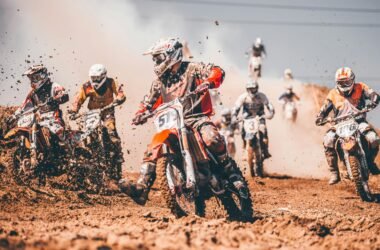
The Ultimate Guide to Choosing the Right Riding Gear for Indian Roads
Riding a motorcycle in India is an adventure—one moment, you’re cruising on an open highway, and the next, you’re dodging potholes, stray cattle, and unpredictable traffic. That’s why having the right riding gear isn’t just about looking good—it’s about staying safe, comfortable, and prepared for the road ahead. Whether you’re a daily commuter, a weekend warrior, or a hardcore touring enthusiast, here’s a detailed guide on how to choose the perfect riding gear for Indian roads. 1. Helmet – Your First Line of Defense A helmet is the most important piece of riding gear. It protects you from head injuries and enhances riding comfort by reducing wind noise and shielding you from dust and debris. What to Look for in a Helmet: 2. Riding Jacket – Protection Against Impact & Weather A good riding jacket not only shields you from harsh weather but also reduces injury risks in case of a fall. What to Look for in a Riding Jacket: 3. Riding Pants – Comfort & Safety for Long Rides Denim won’t cut it on long rides—proper riding pants offer abrasion resistance, impact protection, and all-weather comfort. What to Look for in Riding Pants: 4. Riding Gloves – Grip, Comfort, and Safety Your hands are crucial for controlling the bike, and a good pair of gloves can make a huge difference in both comfort and protection. What to Look for in Riding Gloves: 5. Riding Boots – Stability & Protection for Your Feet Regular sneakers aren’t designed for riding—riding boots provide proper grip, ankle support, and impact resistance. What to Look for in Riding Boots: 6. Additional Protective Gear – Extra Safety Measures For adventure and touring riders, extra protection is a must. Recommended Additional Gear: Final Thoughts Riding gear isn’t an accessory—it’s a necessity. Whether you’re braving city traffic, taking on the mountains, or touring across states, investing in the right gear ensures that you stay safe, comfortable, and ready for every ride. Before you hit the road, ask yourself: Do I have the right gear for the journey ahead? If not, it’s time to upgrade. Ride safe, ride smart!
Popular Post
Master the Machine
Riding a motorcycle isn’t just about twisting th...
Elementor #10369
Navigating the Maze: Where to Buy Motorcycle Gear ...
How to Prep for a Winter Ride in India (Without Freezing Your Soul)
How to Prep for a Winter Ride in India (Without Fr...

The Ultimate Guide to Choosing the Right Riding Gear for Indian Roads
Riding a motorcycle in India is an adventure—one...


